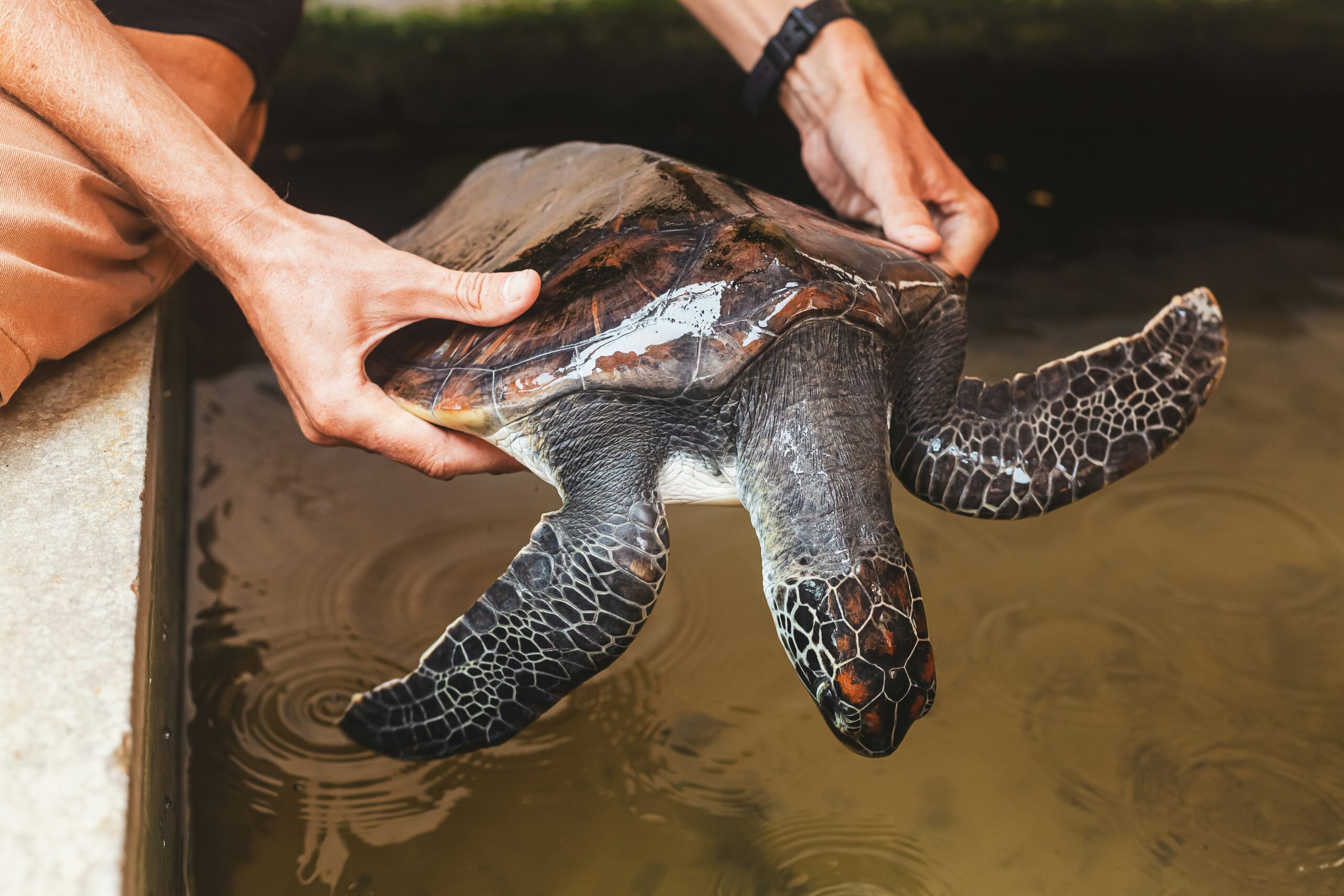
Caring for turtles that can live for decades requires a thoughtful, patient, and highly consistent approach. Many species grow slowly and depend on careful planning that may even span generations of caretakers. Because of this, proper lifecycle management of long-lived turtles is critical to maintaining their health, stability, and overall well-being in captivity.
Caretakers must focus on multiple factors, including habitat design, balanced nutrition, growth tracking, and aging support, to create a system that evolves alongside the animal. Moreover, a structured, proactive care plan helps prevent common health issues, reduces stress, and significantly improves longevity and quality of life.
Understanding Long-Term Growth Patterns
Turtles develop at a gradual and steady pace, and their growth patterns vary depending on species, environmental conditions, and dietary intake. Because of this variability, caretakers must observe subtle changes over extended periods rather than expecting rapid or noticeable development.
In addition, careful growth tracking allows caretakers to detect early warning signs of potential health problems. By regularly measuring shell length, weight, and overall body condition, they can make informed adjustments to feeding schedules and habitat conditions. As a result, turtles maintain a steady, natural growth pattern without experiencing unnecessary stress or developmental imbalances.
Designing Stable and Adaptive Habitats
A well-designed and properly maintained habitat plays a vital role in the long-term care of turtles. These animals require adequate space, clean and filtered water, proper UV lighting, and stable temperature conditions to thrive in captivity. Therefore, habitats must remain consistent while still allowing flexibility for gradual adjustments as the turtle grows and its needs change.
Furthermore, habitat upgrades become essential over time as turtles grow and become more active. Larger turtles require more swimming space, stronger filtration systems, and improved basking areas. Caretakers who plan for these changes early can avoid overcrowding issues and ensure a comfortable, safe, and enriching environment throughout the turtle’s lifespan.
Behavioral Enrichment and Mental Stimulation
Although turtles may appear calm or inactive, they still benefit from environmental enrichment that encourages natural behaviors. Adding features such as rocks, aquatic plants, hiding spots, and varied terrain helps create a more dynamic and engaging habitat. This type of stimulation reduces boredom and supports overall mental well-being.
At the same time, interaction with a diverse environment promotes healthy levels of physical activity. Turtles are more likely to explore, bask, and forage when their surroundings offer variety and interest. As a result, they remain more active, engaged, and physically healthy over long periods in captivity.
Nutrition Planning Across Life Stages
Dietary needs shift as turtles progress through different life stages, making nutrition planning an ongoing responsibility. Hatchlings typically require higher protein levels to support rapid early growth, while adult turtles benefit from a more balanced diet that includes increased plant matter. Because of this, a well-structured feeding strategy supports healthy development and helps prevent nutritional deficiencies.
Equally important, maintaining proper portion control and offering dietary variety keeps turtles in optimal condition. Overfeeding can quickly lead to obesity and related health issues, while poor food choices may weaken shell structure and overall vitality. By providing a diverse mix of nutrients, caretakers can establish a sustainable feeding routine that evolves as the turtle’s needs change.
Monitoring Health and Preventing Disease
Routine health checks play a key role in identifying issues before they become severe or difficult to treat. Turtles often mask symptoms of illness, which makes careful observation and regular assessments essential for early detection. Signs such as lethargy, reduced appetite, abnormal swimming behavior, or shell discoloration may indicate underlying health concerns.
Moreover, preventive care significantly reduces long-term health risks. Maintaining clean habitats, ensuring proper lighting, and providing a consistent, nutrient-rich diet all contribute to a strong immune system. When caretakers take a proactive approach, they create a stable environment that minimizes disease, reduces stress, and supports long-term wellness.
Managing Reproductive Phases Responsibly
Some turtle species may attempt to reproduce in captivity, which requires careful and responsible management. Without proper planning, breeding can lead to overcrowding, increased competition for resources, and unnecessary stress on both adults and offspring. Therefore, caretakers must understand the specific reproductive behaviors and needs of each species.
In addition, controlling environmental triggers such as temperature, lighting, and seasonal changes can help regulate breeding activity. By managing these factors, caretakers can maintain population balance and prevent unintended breeding, ensuring that available resources remain sufficient for long-term care.
Supporting Aging and Longevity
As turtles age, their physical abilities and nutritional needs gradually change. Older turtles may become less active, require softer or more easily digestible food, and need easier access to basking and resting areas.
Likewise, regular and more frequent health monitoring becomes increasingly important for aging turtles. Older individuals face a higher risk of illness and complications, so early detection and timely intervention are essential. With proper care and attention, turtles can continue to live long, stable, and healthy lives well into old age.
Record Keeping and Long-Term Planning
Accurate and detailed record keeping is essential for tracking a turtle’s entire lifespan and ensuring consistent care. Information such as diet history, growth measurements, medical history, and habitat changes provides valuable insights that support better decision-making. Therefore, maintaining organized documentation helps caretakers refine their approach over time.
Additionally, long-term planning ensures continuity of care, which is especially important for species that can outlive their caretakers. Having a clear care plan, along with detailed records, allows future caregivers to maintain proper standards without disruption. This approach strengthens lifecycle management of long-lived turtles and ensures sustainable, high-quality care for generations.