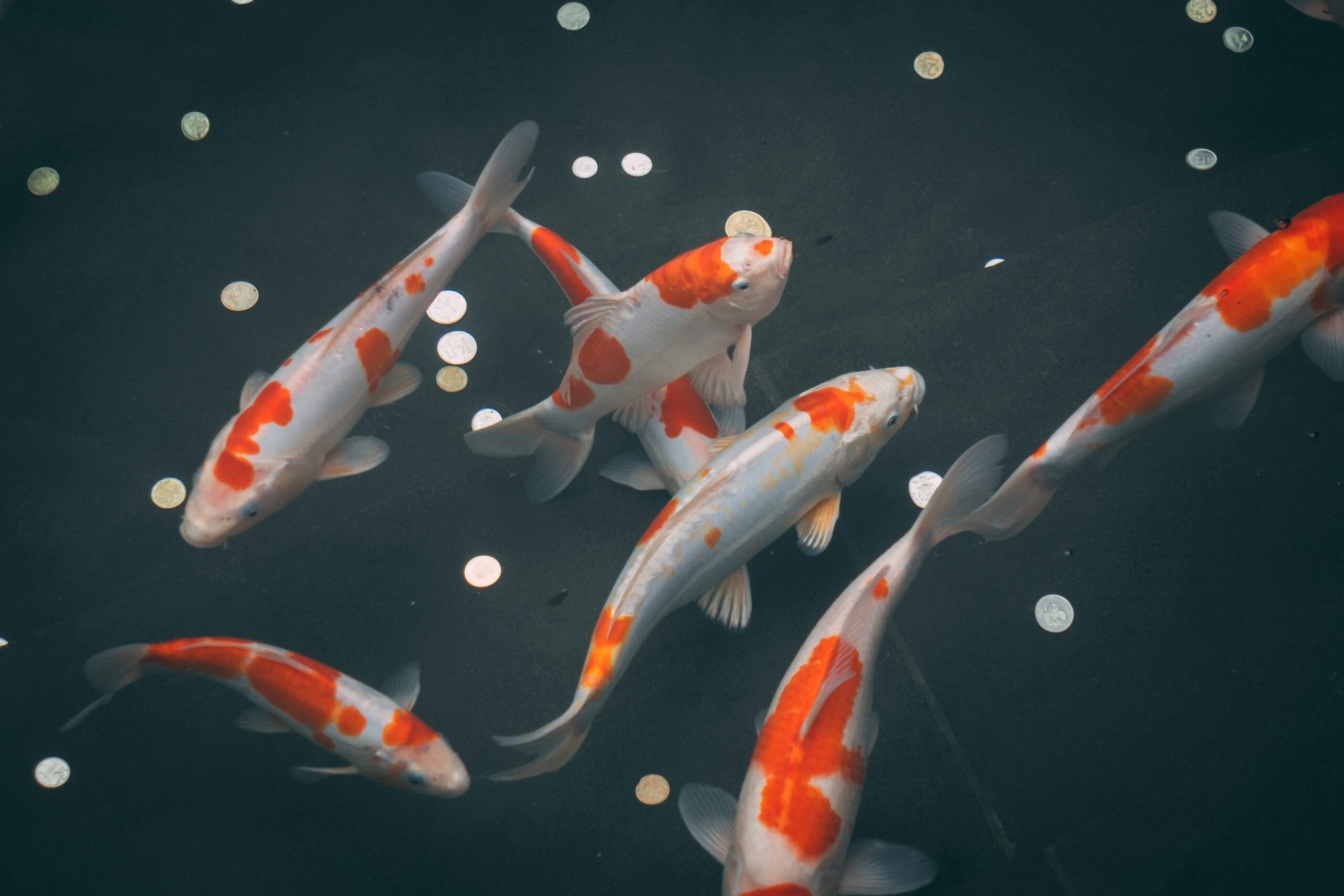
The world of koi keeping offers beauty, patience, and constant learning, and events like the All Japan Young Koi Show bring those elements together in one inspiring place. Although beginners may feel overwhelmed at first, these shows actually offer valuable lessons that help make better hobbyists over time. By observing top-quality fish, expert judging, and experienced breeders, anyone can begin to understand what defines excellence in koi.
Moreover, the lessons learned go far beyond competition, since they influence everyday pond care, fish health, feeding routines, and long-term planning. As a result, hobbyists who pay close attention during these events often improve faster, make better decisions, and enjoy their koi journey more deeply.
Understanding Koi Quality Standards
Koi highlights the importance of quality and reveals what truly sets a fish apart from the competition. Judges evaluate body shape, color balance, skin quality, pattern placement, and overall presence, so hobbyists learn to recognize these traits more clearly. In addition, observing winning koi helps people train their eyes and refine their preferences over time.
However, quality does not develop overnight, so patience remains essential in koi keeping. Even if a koi looks average at first, proper care, stable water, and healthy growth can improve its appearance significantly. Therefore, hobbyists should focus on future potential rather than immediate perfection when choosing fish for their ponds.
Learning the Art of Koi Selection
Selecting koi becomes easier when you watch experts at shows, since they often explain their choices through experience and observation. For instance, they consider genetics, pattern development, body frame, skin depth, and future growth potential before making decisions. As a result, hobbyists begin to think long-term rather than focusing only on current beauty.
At the same time, personal taste still matters, so every hobbyist should develop their own style. While judges follow strict standards, your pond should reflect what you enjoy most each day. Consequently, balancing expert advice with personal preference creates a more rewarding and meaningful koi-keeping experience.
Observing Proper Pond Management
Healthy koi always reflect proper pond care, and shows make this connection very clear. Clean water, strong filtration, steady oxygen levels, and consistent maintenance all contribute to vibrant fish with strong bodies and bright skin. Therefore, hobbyists quickly realize that success starts with the environment, not just the fish.
In contrast, poor pond conditions lead to dull colors, weak growth, and unnecessary stress, which become obvious during comparisons. By learning from top exhibitors, hobbyists can gradually adjust their routines and improve results. As a result, even small changes in water testing, filtration, and cleaning habits can produce noticeable improvements.
Building Confidence Through Observation
Watching experienced hobbyists at shows builds confidence for newcomers who want to improve. By observing how they handle fish, prepare entries, and use modern techniques, beginners gain practical knowledge that is hard to learn from books alone. Moreover, conversations at these events often lead to valuable advice, new friendships, and helpful mentorship.
In the middle of this learning journey, figures like Ben Hayt inspire many hobbyists to stay dedicated and curious. His approach reflects passion, discipline, and respect for the craft, which encourages others to improve steadily. As a result, confidence grows alongside knowledge, and beginners start making better choices with greater purpose.
Appreciating Growth and Development
Koi change over time, and shows reveal how growth affects appearance, balance, and overall impression. Young koi often look different as they mature, so patience becomes one of the most important lessons for every keeper. Instead of rushing results, hobbyists learn to enjoy the transformation process.
Furthermore, understanding growth stages helps prevent disappointment and poor decision-making. Some patterns develop later, while colors may deepen gradually with age, nutrition, and proper care. Because of this, hobbyists who stay patient often achieve better long-term outcomes with their fish.
Recognizing the Role of Nutrition
Nutrition plays a major role in koi health, and this is clearly emphasized. High-quality food supports color, growth, digestion, and energy, so hobbyists must carefully choose their diets. Additionally, feeding schedules should align with seasonal needs because koi require different levels of nutrition as water temperatures change.
On the other hand, overfeeding can harm water quality and fish health, even when the food itself is excellent. Therefore, balance remains critical when planning diets and feeding routines. By following expert practices, hobbyists can maintain strong, vibrant koi year-round while protecting pond stability.
Understanding Judging Criteria
Judging standards may seem complex at first, yet they become clearer with repeated observation. Judges focus on symmetry, color clarity, body structure, skin condition, pattern balance, and overall presence, which all guide their decisions. Consequently, hobbyists learn what to look for when evaluating their own fish at home.
Even if not every koi wins, understanding the criteria still adds value to the hobby. It helps hobbyists set realistic goals, measure progress, and appreciate each fish’s strengths. Therefore, judging knowledge becomes a useful tool for improvement rather than just a means of competition.
Applying Lessons to Everyday Practice
The most important takeaway from koi shows lies in daily application. Lessons learned at events should guide feeding, cleaning, water testing, fish selection, quarantine routines, and careful planning. As a result, hobbyists can create healthier ponds and more impressive koi collections over time.
Additionally, consistent practice leads to long-term success, even without entering competitions. By regularly applying knowledge, hobbyists build strong habits and achieve better results through steady effort. These lessons transform casual interest into a fulfilling, thoughtful, and skilled hobby that continues to grow with every season.