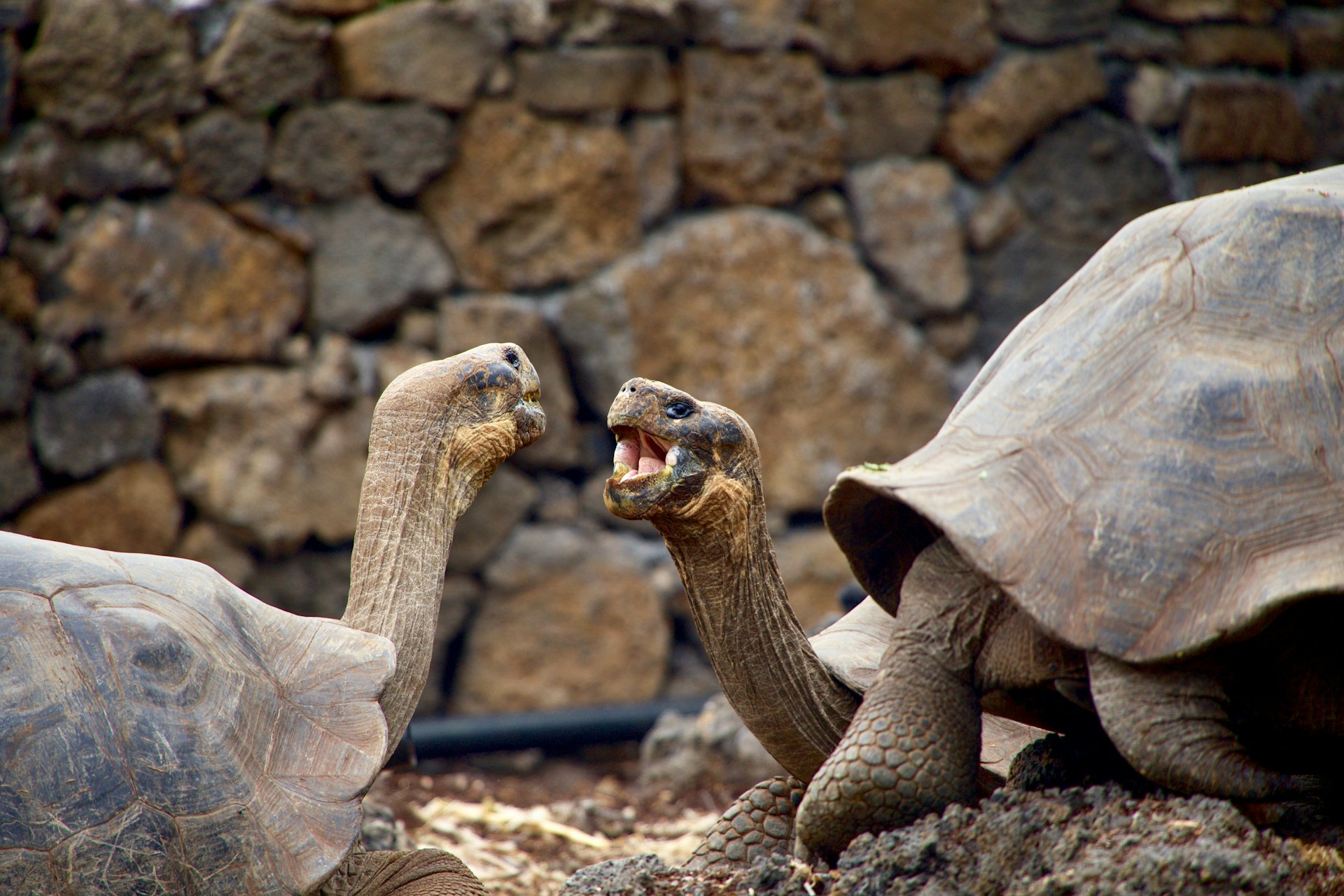
Galápagos tortoises are among the most remarkable reptiles on Earth. Their impressive size, long lifespan, and gentle nature have made them symbols of wildlife conservation around the world. However, caring for these giants requires careful planning, scientific knowledge, and long-term commitment. Whether they live in accredited zoos, breeding centers, or protected conservation facilities, every aspect of their care influences their health and future survival. Today, Galápagos tortoise husbandry has become a specialized field that combines veterinary science, habitat management, nutrition, and conservation biology. By following proven practices, animal care teams can improve welfare while supporting global efforts to protect one of the world’s most iconic species.
Creating Habitats That Reflect Their Natural Environment
Healthy Galápagos tortoises thrive in environments that resemble their native islands as closely as possible. Spacious outdoor enclosures allow them to walk, graze, explore, and regulate their body temperature naturally throughout the day.
Facilities should include sunny basking areas, shaded shelters, gentle slopes, and access to fresh water. Different ground surfaces also benefit their feet and encourage natural movement. In addition, native grasses and safe vegetation provide enrichment while supporting normal grazing behavior. When habitats promote physical activity, tortoises maintain stronger muscles and healthier joints.
Nutrition Plays a Major Role in Long-Term Health
Proper nutrition supports every stage of a tortoise’s life. Young animals require balanced diets that encourage healthy shell growth, while adults benefit from high-fiber vegetation that matches their natural feeding habits.
Leafy greens, grasses, cactus pads, and carefully selected browse materials often form the foundation of a healthy diet. Care teams monitor vitamin and mineral intake closely to avoid nutritional deficiencies or excessive growth. Fresh water should remain available at all times because hydration supports digestion, kidney function, and overall wellness. Consistent feeding schedules also reduce stress and encourage predictable behavior.
Veterinary Monitoring Supports Healthy Aging
Galápagos tortoises can live well beyond one hundred years. Because of their exceptional lifespan, preventive veterinary care becomes an essential part of successful management.
Routine physical examinations help identify health concerns before they become serious. Veterinarians evaluate shell condition, body weight, mobility, eyesight, respiratory health, and oral condition during regular checkups. Blood testing, imaging, and fecal examinations may also provide valuable information about overall health. As these animals age, careful monitoring allows caregivers to adjust treatment plans based on changing physical needs.
Encouraging Natural Behaviors Through Daily Enrichment
Enrichment improves both physical and mental well-being. Although Galápagos tortoises move slowly, they remain curious animals that respond positively to environmental variety.
Care teams frequently rotate feeding locations, introduce new scents, rearrange enclosure features, and provide safe objects for exploration. These simple changes encourage walking, stretching, and problem solving while reducing boredom. Furthermore, behavioral observations help caregivers understand each animal’s individual preferences and activity patterns. In many conservation programs, reptile welfare management includes enrichment plans tailored to each tortoise’s age, health, and personality.
Breeding Programs Strengthen Conservation Success
Captive breeding plays an important role in preserving Galápagos tortoise populations. Many conservation organizations work together to maintain genetically healthy breeding groups that represent different island lineages.
Successful breeding requires careful genetic planning rather than simply pairing available animals. Conservation specialists study family histories to reduce inbreeding and maximize genetic diversity. Nesting areas must provide suitable soil depth, moisture, and temperature for successful egg development. After hatching, young tortoises receive specialized care that supports healthy growth while preparing them for future conservation opportunities.
Collaboration Between Institutions Expands Scientific Knowledge
Modern conservation depends on teamwork. Zoos, wildlife organizations, universities, veterinarians, and government agencies regularly share research findings that improve animal care standards.
These partnerships support advances in nutrition, disease prevention, reproductive biology, habitat design, and behavioral science. Researchers also exchange health records and breeding information to improve long-term population management. As a result, each successful conservation project contributes valuable knowledge that benefits Galápagos tortoises worldwide.
Technology has also become an important tool in collaborative research. Digital medical records, genetic databases, remote monitoring systems, and advanced imaging allow institutions to compare information more efficiently than ever before. These shared resources help professionals make evidence-based decisions that improve animal welfare across multiple facilities.
Preparing Facilities for Lifelong Animal Care
Because Galápagos tortoises often outlive several generations of caregivers, institutions must plan decades into the future. Long-term management requires stable funding, experienced staff, and carefully maintained facilities.
Infrastructure should allow animals to grow comfortably throughout their lives while supporting changing medical needs. Larger indoor shelters, secure fencing, accessible treatment areas, and climate management systems all contribute to high-quality care. Meanwhile, staff training remains equally important because experienced caregivers recognize subtle health or behavioral changes before they become significant problems.
Emergency preparedness also deserves careful attention. Facilities should maintain response plans for severe weather, disease outbreaks, equipment failures, and natural disasters. These preparations help protect both animals and staff during unexpected events while minimizing disruptions to daily care routines.
Building a Sustainable Future for These Remarkable Reptiles
Protecting Galápagos tortoises requires dedication that extends far beyond individual facilities. Every successful conservation effort supports the survival of future generations while increasing public understanding of these extraordinary reptiles. Through continued investment in captive breeding conservation, professional education, scientific research, and responsible habitat management, organizations create stronger foundations for long-term species recovery.
Public education remains another essential part of conservation success. Visitors who learn about Galápagos tortoises often develop a greater appreciation for wildlife protection and environmental stewardship. Educational programs inspire support for conservation initiatives while encouraging responsible actions that benefit ecosystems around the world. As more people understand the challenges these ancient reptiles face, broader public involvement strengthens global conservation efforts.
Ultimately, caring for Galápagos tortoises is both a privilege and a responsibility. Their remarkable longevity reminds us that conservation is a long-term commitment built on patience, science, and compassion. By maintaining exceptional care standards, encouraging collaboration, and continually improving endangered chelonian care, conservation professionals ensure these gentle giants continue to inspire future generations while preserving one of nature’s most extraordinary species.