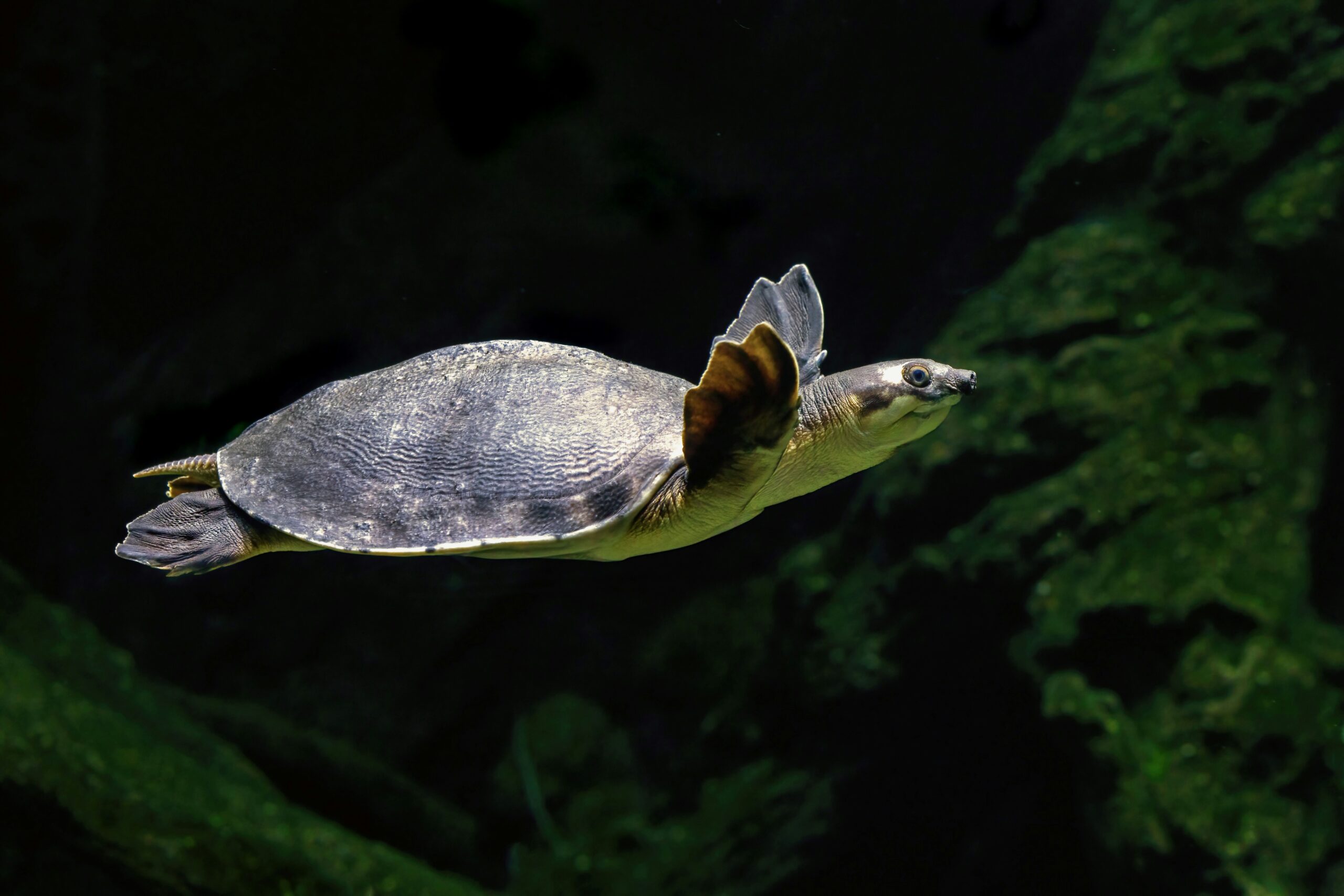
Chelonians, which include tortoises, turtles, and terrapins, are among the longest-living animals on Earth. Some species can live well beyond 100 years, making their care a unique challenge and responsibility. Unlike many animals that complete their life cycles within a few years, chelonians require decades of consistent management. As a result, facilities that house these remarkable reptiles must think far beyond short-term care plans.
From the moment a hatchling emerges from its egg to the day it reaches old age, every stage of life presents different needs. Therefore, successful lifecycle management requires careful planning, proper nutrition, preventive healthcare, and habitat adjustments that support long-term well-being. By understanding each phase of development, caretakers can help these animals thrive for generations.
The Unique Challenge of Long-Term Chelonian Care
Managing long-lived chelonians differs greatly from caring for animals with shorter lifespans. Since many species can outlive their original caretakers, institutions must develop management strategies that remain effective for decades.
Furthermore, long-term care involves maintaining detailed records. Accurate documentation helps track growth rates, medical history, breeding success, and behavioral changes. Consequently, future caretakers can make informed decisions based on years of accumulated knowledge.
Many zoos, conservation centers, and private facilities now use digital tracking systems. These tools improve continuity of care and reduce the risk of losing valuable information during staff transitions.
Professionals involved in reptile conservation and managed care, including experts such as Ben Hayt, often emphasize the importance of long-term planning when caring for species that can live for more than a century.
Supporting Healthy Development During the Hatchling Stage
The hatchling stage is one of the most vulnerable periods in a chelonian’s life. At this age, young animals face increased risks from environmental stress, nutritional deficiencies, and disease.
Therefore, caretakers must provide stable temperatures, proper humidity, and secure enclosures. Consistent environmental conditions encourage healthy growth and reduce developmental problems. In addition, clean habitats help prevent infections that can threaten survival.
Nutrition also plays a vital role during this stage. Hatchlings require balanced diets that supply essential vitamins, minerals, and protein. As a result, they develop stronger shells, healthier bones, and improved immune systems.
Juvenile Growth and Habitat Expansion
As hatchlings mature into juveniles, their needs begin to change. Growth rates often increase, and animals become more active and curious about their surroundings.
Because of this increased activity, larger habitats become necessary. Expanded spaces allow juveniles to exercise, explore, and develop natural behaviors. Moreover, environmental enrichment helps stimulate mental engagement and reduces stress.
Caretakers should also continue monitoring growth patterns. Regular measurements help identify potential health concerns before they become serious problems. Consequently, intervention can occur early when treatment is most effective.
Nutrition Strategies for a Long Life
Nutrition remains one of the most important aspects of chelonian management throughout every life stage. A balanced diet supports healthy growth, reproduction, and longevity.
Different species require different feeding approaches. For example, many tortoises consume primarily plant-based diets, while some aquatic turtles need a combination of vegetation and animal protein. Therefore, understanding species-specific nutritional requirements is essential.
Additionally, calcium and vitamin supplementation often play key roles in shell development and skeletal health. Without proper nutrition, long-term health complications may arise. For this reason, diet plans should undergo regular review and adjustment.
Preventive Healthcare and Routine Monitoring
Preventive care offers significant benefits for long-lived reptiles. Rather than waiting for illness to appear, proactive management helps maintain overall health and detect issues early.
Routine veterinary examinations allow professionals to assess body condition, shell quality, and organ function. Furthermore, regular screenings can identify parasites, infections, and metabolic disorders before symptoms become severe.
Weight tracking also provides valuable insight. Even small changes in weight may indicate underlying health concerns. Therefore, many facilities conduct regular health assessments and maintain detailed records throughout the animal’s lifetime.
Managing Reproductive Years Successfully
Many chelonians reach reproductive maturity after several years or even decades. During this period, proper management becomes especially important for breeding success and overall well-being.
Breeding programs often support conservation efforts, particularly for threatened species. Consequently, facilities carefully monitor reproductive behaviors, nesting activities, and egg development.
Environmental conditions greatly influence breeding outcomes. Appropriate temperatures, nesting areas, and seasonal cues help stimulate natural reproductive behaviors. In addition, successful incubation practices increase hatchling survival and contribute to population sustainability.
Adapting Care for Aging Individuals
As chelonians grow older, their care requirements continue to evolve. Although many species remain active for decades, aging can affect mobility, metabolism, and overall health.
Therefore, caretakers should adjust habitats to improve accessibility and comfort. Softer substrates, easier access to food and water, and reduced environmental stress can improve quality of life.
Regular health evaluations become even more important during senior years. Early identification of age-related conditions allows caretakers to provide targeted support. As a result, elderly animals often remain healthy and comfortable well into advanced age.
The Role of Environmental Enrichment
Environmental enrichment benefits chelonians throughout their lives. While these reptiles may appear slow-moving, they still benefit from stimulation that encourages natural behaviors.
For example, changing habitat layouts, introducing new scents, and varying feeding methods can promote exploration. Additionally, enrichment reduces boredom and encourages physical activity.
When enrichment programs align with species-specific behaviors, animals often display increased engagement with their surroundings. Consequently, both physical and mental well-being improve over time.
Conservation Through Responsible Management
Many chelonian species face threats from habitat loss, illegal wildlife trade, pollution, and climate change. Therefore, managed care facilities play an important role in conservation efforts.
Successful lifecycle management helps maintain healthy assurance populations. These populations can support research, public education, and breeding programs aimed at preserving endangered species.
Furthermore, long-term care provides valuable scientific insights. Researchers can study aging, reproduction, growth, and behavior across decades. As a result, findings often contribute to improved conservation strategies in the wild.
Looking Toward the Future
The management of long-lived chelonians requires patience, dedication, and careful planning. Because these animals can live for a century or more, caretakers must think in terms of decades rather than years.
By focusing on proper nutrition, preventive healthcare, environmental enrichment, and adaptive care strategies, facilities can support healthy lives from hatchling to centenarian. Moreover, responsible management strengthens conservation efforts and helps protect these extraordinary reptiles for future generations.
Ultimately, successful lifecycle management is not simply about keeping chelonians alive. It is about creating conditions that allow them to thrive throughout every stage of their remarkable journey.