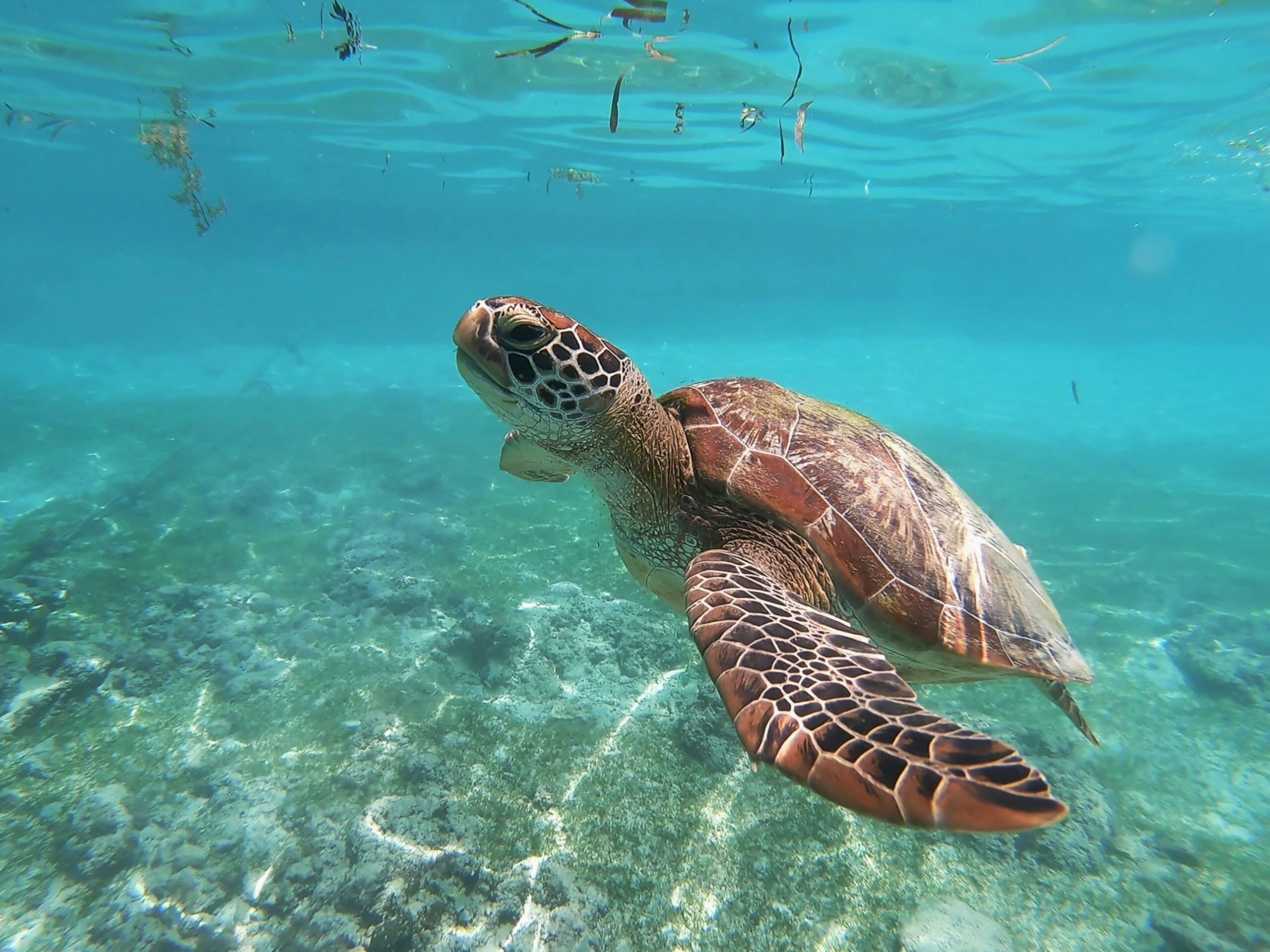
Chelonians, including turtles and tortoises, are among the longest-living animals on Earth. Some species can live well over a hundred years, making their care a multi-generational responsibility. Managing these remarkable reptiles from hatchling to centenarian requires a deep understanding of their biology, environmental needs, and the gradual changes they experience over time.
Lifecycle management is not a static process. It evolves as the animal grows, matures, and ages. Each stage presents unique challenges and opportunities, demanding careful planning and consistent attention.
Whether in zoos, conservation programs, or private collections, successful care depends on adapting to the needs of each life phase.
Early Life Stage: Hatchling Care and Survival
The journey begins at the most vulnerable stage of life. Hatchling chelonians require precise environmental conditions to survive and develop properly. Temperature and humidity must be carefully controlled, as they directly influence metabolism and overall health.
Nutrition during this stage is critical. Hatchlings often have different dietary needs compared to adults, requiring easily digestible food rich in essential nutrients. Access to clean water and appropriate basking areas supports growth and helps establish healthy routines.
Monitoring is especially important in early life. Small changes in behavior or appetite can signal underlying issues. Caretakers must be vigilant, ensuring that hatchlings transition smoothly into juvenile stages without setbacks.
Juvenile Development: Building Strength and Structure
As chelonians grow, their focus shifts toward building a strong body and developing natural behaviors. Juvenile stages are marked by steady growth, increased activity, and the establishment of feeding patterns.
Proper diet remains essential, with an emphasis on balanced nutrition that supports shell and bone development. Calcium intake plays a key role in preventing deformities and ensuring structural integrity.
Environmental enrichment becomes increasingly important during this stage. Providing varied terrain, hiding spaces, and opportunities for exploration encourages physical activity and mental stimulation. These experiences help shape healthy, adaptable individuals.
Subadult Phase: Transitioning Toward Maturity
The subadult stage marks a transition from rapid growth to full maturity. During this period, growth rates may slow, but development continues in more subtle ways. Behavioral changes often become more noticeable, including increased territoriality or social interactions.
Care strategies must adjust accordingly. Diet may need to be modified to prevent excessive weight gain while still supporting overall health. Environmental conditions should continue to promote natural behaviors and provide adequate space.
This stage is also a critical time for health assessments. Regular check-ups help identify any developmental issues and ensure that the animal is progressing toward a healthy adulthood.
Adult Stage: Stability and Reproductive Potential
Adulthood is characterized by physical stability and, in many cases, reproductive capability. At this stage, chelonians reach their full size and exhibit well-established behaviors.
For species involved in conservation programs, breeding becomes a central focus. Providing suitable nesting areas and maintaining proper environmental conditions are essential for successful reproduction. Caretakers must understand the specific requirements of each species to support natural breeding cycles.
Even for non-breeding individuals, maintaining optimal health remains a priority. Diet, habitat quality, and routine monitoring all contribute to long-term well-being. Adults may appear resilient, but consistent care is necessary to prevent chronic health issues.
Aging Chelonians: Recognizing Signs of Senescence
As chelonians age, subtle changes begin to appear. Growth slows significantly, and activity levels may decrease. Older individuals may require dietary adjustments, such as softer foods or altered feeding schedules.
Shell condition can also change over time, reflecting both age and environmental factors. Regular observation helps detect issues such as wear, damage, or signs of disease.
Veterinary care becomes increasingly important during this stage. Preventive measures and early intervention can improve quality of life and extend longevity. Understanding the aging process allows caretakers to provide appropriate support for senior animals.
Habitat Management Across the Lifespan
One key aspect of lifecycle management is maintaining suitable habitats that evolve with the animal’s needs. A hatchling enclosure differs significantly from that of an adult or aging chelonian.
Space requirements increase as the animal grows, making it essential to plan for long-term housing. Enclosures should offer a balance of shelter, basking areas, and opportunities for movement. Access to natural sunlight or appropriate lighting remains crucial throughout all life stages.
Environmental stability is equally important. Sudden changes in temperature or humidity can stress the animal and impact health. Consistent habitat conditions support steady growth and overall well-being.
Nutritional Adjustments Through Life Stages
Dietary needs change significantly throughout a chelonian’s lifespan. Hatchlings require nutrient-dense foods to support rapid growth, while adults benefit from a more balanced and controlled diet.
As animals age, their metabolism may slow, necessitating adjustments in feeding frequency and portion size. Overfeeding can lead to obesity, while underfeeding may result in nutritional deficiencies.
Providing a varied diet that closely mimics natural feeding habits helps maintain health at every stage. Attention to calcium, vitamins, and hydration ensures that the animal’s nutritional needs are consistently met.
Health Monitoring and Preventive Care
Regular health monitoring is essential for managing long-lived species. Routine observations, including weight tracking and behavioral assessments, provide valuable insights into the animal’s condition.
Preventive care is particularly important given chelonians’ extended lifespans. Early detection of issues can prevent minor problems from becoming serious conditions. Veterinary support, including diagnostic tests and treatment plans, plays a vital role in maintaining health.
Consistency in care routines helps establish a stable environment where potential problems can be identified and addressed promptly.
Behavioral Needs and Enrichment
Chelonians may not display complex social behaviors like some other animals, but they still benefit from environmental enrichment. Opportunities for exploration, varied terrain, and changes in feeding methods encourage natural activity.
Enrichment supports both physical and mental health, reducing stress and promoting a more active lifestyle. Understanding species-specific behaviors enables caretakers to design environments that effectively meet these needs.
Providing stimulation throughout the lifespan ensures that chelonians remain engaged and healthy, even in managed care settings.
Long-Term Planning and Ethical Responsibility
Managing long-lived chelonians requires long-term planning that extends beyond individual caretakers. These animals may outlive those responsible for their care, making continuity a critical consideration.
Institutions and private keepers must plan for future generations, ensuring that knowledge and resources are passed on. Ethical responsibility includes providing consistent, high-quality care throughout the animal’s life.
This long-term perspective highlights the importance of commitment and foresight in chelonian management.
A Lifelong Journey of Care and Dedication
Caring for chelonians from hatchling to centenarian is a journey that demands patience, knowledge, and adaptability. Each stage of life presents unique challenges, requiring tailored approaches to habitat, nutrition, and health management.
By understanding the full lifecycle of these remarkable reptiles, caretakers can provide environments that support growth, stability, and longevity. The reward is not only the well-being of the animals but also the preservation of species that have endured for millions of years.
Lifecycle management is more than a set of practices. It is a commitment to stewardship, ensuring that these ancient creatures continue to thrive for generations to come.