A pond visit can leave you with an impression: the koi seemed more active, feeding looked different, or the water appeared clearer. A dated note makes that impression easier to revisit. This guide and blank worksheet offer a simple way to record what you actually saw, what you measured, and what you still want to understand.
Download the one-page koi observation journal (PDF). Print a fresh sheet for each session and keep it with any photographs or test records.
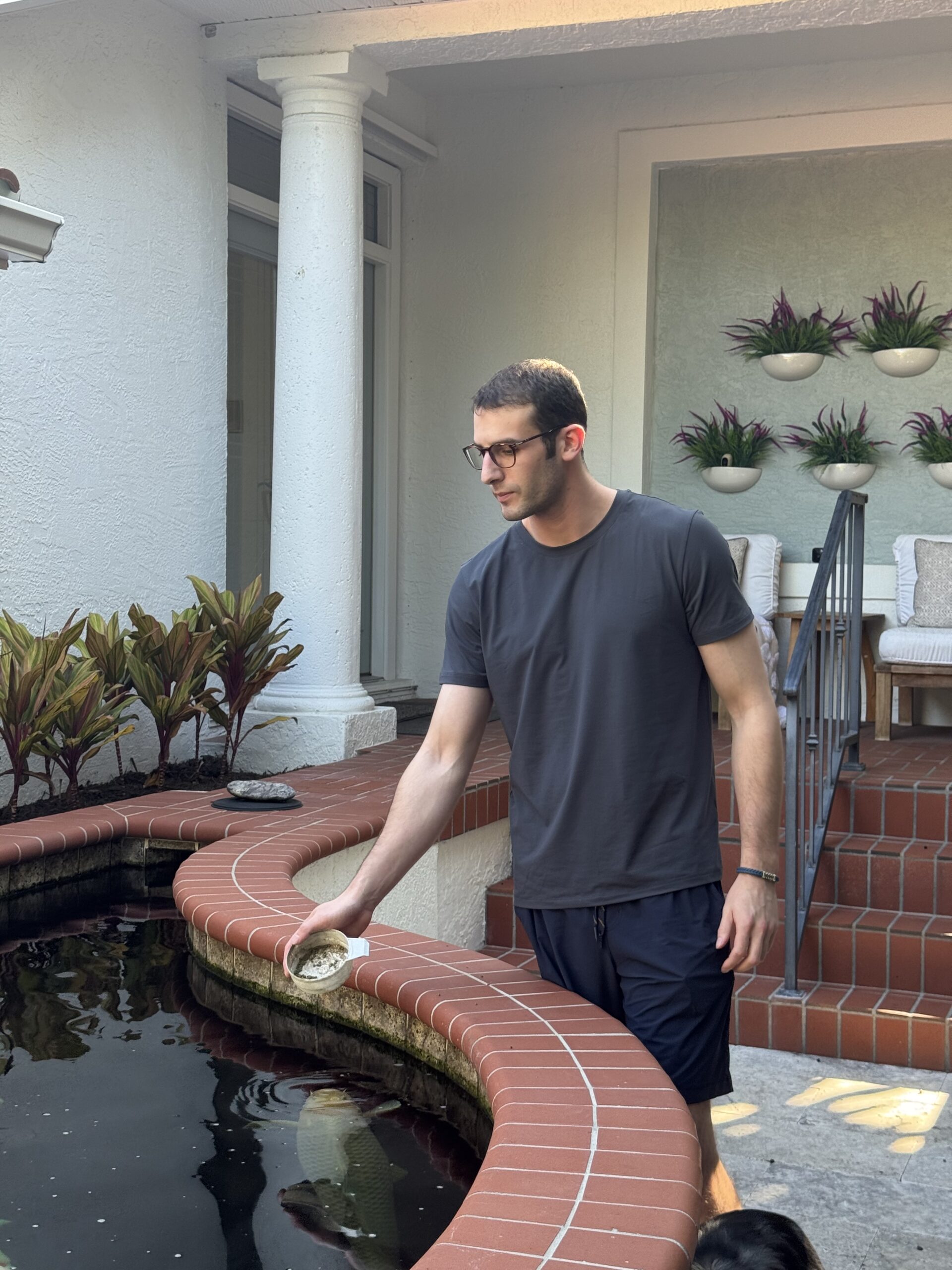
What to record during a pond visit
- Start with the context. Write the date, time, and fish or group observed. Note weather or other conditions that might help you compare this entry with another.
- Describe activity before feeding. Use concrete descriptions rather than a conclusion such as “doing well.” Record where the fish were and what they were doing during the period you watched.
- Record feeding separately. Note the food offered, the amount if you measured it, and the response you observed. A blank field is better than an invented measurement.
- Keep measurements traceable. If you take water measurements, include values, units, time, and the measuring method. Keep the original test record when available.
- Note changes. Record maintenance and other changes since the previous entry. Add photo or video filenames so you can find the corresponding images later.
Separate observations from explanations
Use the final box for questions and possible explanations. This keeps an idea you want to investigate from becoming a fact in your records.
Illustrative example, not a record from my pond: “At 8:10 a.m., three fish approached the feeding area during a two-minute observation” describes an event. “The new food caused more activity” proposes a cause that this entry alone cannot establish.
Compare entries thoughtfully
When reviewing your notes, look at the circumstances as well as the observation. Were the visits at similar times? Did you watch for the same length of time? Were the measurements taken with the same method? Mark missing information instead of filling it in from memory.
The worksheet is an organizational aid. It does not diagnose fish health or establish that a maintenance change caused an outcome.
Use the printable worksheet
Download and print the koi pond observation journal. Its labeled spaces cover context, feeding, measurements, maintenance, and follow-up questions. Use additional pages if an entry needs more detail.
For more photographs, visit my photo portfolio. You can also read about Benjamin Hayt or explore my separate Aplysia cell culture research.
I also share koi photographs and pond updates on Ben Hayt Koi, my Facebook page.